Blog

  • Seasonal Pest Problems – What Pests Appear Each Time of Year

    Pest Control Port St Lucie

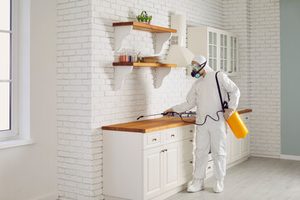
    Pests often invade homes and businesses in seasonal surges. Taking proactive measures like regular inspections and preventative treatments helps reduce their numbers.

    In spring, termite swarmers begin to show up in homes and buildings. Also, pantry pests like flour beetles and clothes moths can wreak havoc on stored foods. Contact Pest Control Port St Lucie for more details.

    Spring

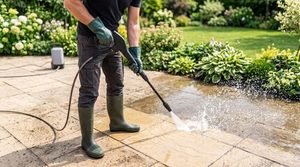
    As the temperatures start to warm, bugs come out of hiding in search of food, water and a mate. Pests like ants, carpenter bees, termites and mosquitoes can quickly become a problem if your home isn’t well prepared. But a proactive approach to preventative pest control in the spring can help reduce infestations before they get out of hand.

    As winter fades, ants and cockroaches move indoors for warmth and food. These and other pests can cause damage to your home, as well as pose a health risk by spreading bacteria and viruses that can make you sick. Preventative pest treatments and regular cleaning can keep these critters out all summer.

    Spring is also when wood-eating pests like ants, termites and carpenter bees swarm in homes. If your home isn’t properly protected, these pests can cause costly structural damage over time. But a professional termite inspection in the early spring can catch problems before they become a major issue.

    Warmer weather also brings flies and mosquitoes out of their winter hibernation. These pests spread disease and can cause annoying itching and a variety of health issues. Mosquitoes can be prevented by using repellents, and flies can be controlled by draining standing water, sealing crevices around your home and keeping food and trash tightly sealed.

    The warm, moist conditions of spring also bring pillbugs, sill bugs, stink bugs and centipedes out to feed on decomposing vegetation and rotting materials. If they find their way to your home, these insects can damage foundations and other areas of your home, as well as cause respiratory irritation in people.

    In the fall, as temperatures drop and the days grow shorter, pests like rodents, spiders, cockroaches, earwigs, stink bugs, box elder bugs and Indian meal moths seek warmth and shelter indoors. If you don’t take precautions, these critters may invade your home and set up nests in nooks and crannys.

    Regular maintenance treatments in the fall can prevent these and other pests from entering your home before the cold arrives. And by taking these steps, you can protect your home all year round against the pests that can make life miserable for you and your family.

    Summer

    In the summer, stinging pests like bees and wasps reach their peak population sizes. These insects can cause painful, itchy stings that can lead to allergic reactions in people and pets.

    Mosquitoes are also a problem this time of year. They can transmit mosquito-borne diseases such as West Nile virus, Zika virus, Dengue fever, eastern equine encephalitis (EEE), St Louis encephalitis and chikungunya.

    Fabric and pantry pests are also active this time of year. Carpet beetles, clothes moths (which damage woolen and wool blend clothing) and Indian meal moths infest dried foods such as cereals, pet food, spices and canned goods. They can be prevented by keeping these items tightly sealed in their original packaging or using food storage containers made of glass, metal or ceramic.

    Garden pests also reach their highest population sizes in the summer. June beetles lay damaging grubs in lawns that can destroy the grass if not treated. Slug and snail pressure is at its peak in gardens, greenhouses and high tunnels. These pests feed by piercing plant leaves and slowly siphoning the juices from them. They can be prevented with the use of row cover or floating mulches.

    In the fall, as temperatures drop, some pests move indoors in search of warmth and shelter. Cockroaches can be a problem throughout the year, but they are especially common in the fall when they are seeking a warm place to overwinter. They can be kept at bay by avoiding leaving dirty dishes in sinks and regularly cleaning floors, walls and appliances.

    Spiders, pillbugs, millipedes and silverfish can also be a nuisance in the fall. These pests are drawn to humid areas and often thrive in basements and garages. They can cause damage by chewing through paper, fabrics and other materials and by contaminating stored food. These pests can be prevented by keeping these areas clean and dry and by sealing cracks around the home.

    Fall

    When fall comes around, pests start migrating to warmer climates or burrowing under debris in preparation for winter. As such, they’re more likely to find shelter in your home than usual. Some common overwintering pests include cluster flies, stink bugs, rodents and cockroaches. It’s also the time of year when stinging insects like bees, wasps and hornets are more active. They’ll be looking for food sources that can help them survive the cold, but if those food sources are found inside your house, they could end up becoming a serious health concern.

    It’s important to prevent these overwintering pests by regularly receiving pest maintenance treatments throughout the summer. A professional can identify problem areas and seal them, preventing pests from entering homes.

    Rodents, cockroaches and bed bugs continue to thrive during the winter, breeding rapidly inside warm, moist environments. This can lead to severe infestations if left unchecked. Termites can be particularly problematic during the winter because they’re subterranean and don’t swarm until spring.

    Stinging pests may also be more active in the winter, depending on their species. The brown marmorated stink bug, for example, is an autumn invader that has been known to enter homes in search of warmth and food. They can be quite a nuisance, crawling into gaps and crevices around windows, under siding, or through utility chases. They can also stain light-colored siding with their poop, which is why regular yard maintenance is so important to keep them from invading your home.

    The most common winter pests include mice, cockroaches and bed bugs. Mice can be a particular problem, since they’re able to squeeze into tight spaces and can cause significant damage to the structure of your home. They can also contaminate food and spread diseases. Cockroaches are often a year-round problem, but infestations can be worse during the winter when they’re seeking warmth and food sources.

    Winter

    As the weather turns colder, pests seek shelter and warmth inside homes and businesses. Rodents, cockroaches, and ants are most active at this time and can cause serious infestations that threaten your health and property. Pests like cockroaches and rodents can chew through wires, contaminate food, and spread dangerous bacteria. Bed bug infestations also rise during winter, triggered by holiday travel and in-home entertaining.

    Pests like cockroaches, rodents, and pharaoh ants cannot survive in cool temperatures and will enter your home for warmth and food. These cold-weather pests are able to slip into small gaps in attics, basements, and foundations, as well as cracks around plumbing and pipes. They can chew through walls, furniture, and books. Cockroaches, in particular, can spread over 30 kinds of diseases and exacerbate asthma and other respiratory problems.

    In addition to roaches, pharaoh ants and rodents, other common winter pests include spiders, box elder bugs, earwigs, and flies. These pests can cause extensive damage to your home, resulting in expensive repair bills and wood damage. Some spiders, including brown recluse and black widow spiders, are poisonous and can threaten the safety of children, pets, and adults.

    Many homeowners are less attentive to their properties in the fall and winter, which can create an open invitation for these unwelcome critters. Sealing gaps, reducing moisture, storing foods properly, and inspecting regularly can discourage these pests from invading your home or business. It’s also important to take preventative measures, like setting up traps or repellents outside your home and fixing any cracks around foundations and attics. Taking these steps will help to keep pests out, even during the harsh winter months.

    Visit our Professional Services Blogs

    Chris Atkins Lawncare, Atticus Landscaping, Treasure Coast Pressure Wash, Gulf Beach Plumbing, Marlborough Plumbing, Guns And Hoses Pressure Washing, Ambrose Construction, Coral Gables Pressure Washing, Willco Photography, Roofing Akron, Danalogsdon Roofing El Cajon, EC Siding Roofing Windows, Aurora Gutter, American Insurance Source, ECO, etdn, Denison Service League,  Roofing Blog, Atlantic Vinyl Windows, Brookshires Fireplaces, JD Advanced Remodeling, Product Judgment, Master Dry Foundation Repair, Moe’s Hip, Elta Patio Paramount, Rock Around The Clock Festival, Learn, Play, Beyond, MoralesT Gardening, Car Window Tinting Perth, Duncan Carpentry, Gatestone Lighting, Mid Missouri Mold Inspections, Stucco Repair Albuquerque, Wausau Siding Hire, Munster Tree Care, Blue Granite Homes, Custom House, CENTRAL OS, Atlanta Pavers, Phillips Law Firm, Brent Ryder MasonryWalker Construction Drywall Division, RJ Law, Caledon Plumbing, DDS Tech USA, Maine Mortgage Services, Inckpen, Seasons at Rose Creek, Cottonwood Place Dental, Cosmetic Laser 2000 
  • Comprehensive Pressure Washing Maintenance Services for Spotless Outdoor Spaces

    Maintaining clean and well-kept outdoor spaces is essential for preserving the appearance, safety, and longevity of any property. Over time, surfaces such as driveways, walkways, patios, decks, fences, and building exteriors accumulate dirt, grime, mold, mildew, algae, and other contaminants. Left untreated, these elements can cause discoloration, surface deterioration, and even safety hazards.

    Comprehensive Sugar Land Pressure Washing maintenance services provide an effective, efficient, and long-term solution for keeping outdoor spaces spotless and functional. By combining professional techniques, industry-grade equipment, and environmentally responsible cleaning methods, these services deliver a transformative clean that enhances property aesthetics and extends the life of exterior surfaces.

    pressure washing

    The Role of Pressure Washing in Property Maintenance

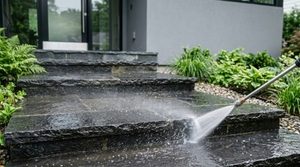
    Exterior surfaces are constantly exposed to environmental factors, including rain, wind, sun, dust, pollen, and airborne pollutants. Over time, these elements leave behind layers of grime that are difficult to remove with standard cleaning methods. Organic growth, such as mold, mildew, and algae, can thrive in shaded or damp areas, causing discoloration and surface damage. Pressure washing employs high-pressure water streams, often combined with safe and effective cleaning solutions, to remove dirt and contaminants deeply embedded in surfaces.

    For homeowners, a clean exterior enhances curb appeal, protects investments, and creates a more inviting outdoor environment. For commercial property owners, well-maintained surfaces project professionalism, improve customer impressions, and reduce liability risks associated with slips or unsightly conditions. Comprehensive pressure washing maintenance services ensure that surfaces are not only cleaned thoroughly but are also preserved against future damage.

    Benefits of Comprehensive Pressure Washing Maintenance

    Investing in professional pressure washing maintenance services offers numerous advantages that go beyond aesthetics. Some of the key benefits include:

    1. Enhanced Curb Appeal – Regular pressure washing restores surfaces to their original condition, removing dirt, grime, and stains. For homeowners, this improvement elevates the overall appearance of the property, while businesses benefit from a professional and welcoming exterior that enhances customer impressions.
    2. Preventative Maintenance – Surface contaminants like mold, mildew, algae, and moss can gradually erode materials such as wood, concrete, brick, and vinyl. Routine cleaning removes these harmful elements before they cause significant damage, extending the lifespan of exterior surfaces and reducing long-term maintenance costs.
    3. Improved Safety – Algae, mold, and mildew can create slippery surfaces on walkways, driveways, patios, and decks. Pressure washing eliminates these hazards, ensuring safer outdoor spaces for residents, employees, and visitors. Safety is a critical concern for both residential and commercial properties, particularly in high-traffic areas.
    4. Preparation for Renovation Projects – Surfaces that are clean and free of debris are essential for effective painting, staining, or sealing. Pressure washing removes old coatings, dirt, and organic growth, ensuring that new finishes adhere properly and last longer.
    5. Cost-Effective Solution – Maintaining clean exterior surfaces reduces the risk of damage and the need for expensive repairs or replacements. Comprehensive maintenance programs offer an affordable way to protect property value over time.

    Applications of Pressure Washing Maintenance Services

    Pressure washing maintenance services are versatile and suitable for a wide range of property types and surfaces. Common applications include:

    • Driveways and Walkways – High-traffic areas accumulate dirt, oil, tire marks, and moss. Regular cleaning restores their appearance and ensures safe footing for pedestrians and vehicles.
    • Patios and Decks – Outdoor living areas are exposed to spills, dirt, and weather-related debris. Pressure washing revitalizes these spaces, making them clean, inviting, and safe for use.
    • Fences and Gates – Wooden, vinyl, and metal fences can develop mold, algae, and discoloration over time. Professional cleaning preserves the material, extends its lifespan, and enhances its visual appeal.
    • Building Exteriors – Siding, brick, stucco, and metal exteriors are prone to dirt and mold accumulation. Comprehensive pressure washing removes contaminants while protecting the structural integrity of the building.
    • Parking Lots and Commercial Areas – Oil stains, gum, and debris in commercial spaces create an unappealing and potentially hazardous environment. Pressure washing improves appearance, safety, and customer perception.
    • Roofs and Gutters – Roof shingles and gutters can collect moss, debris, and dirt that lead to water damage or leaks. Specialized low-pressure cleaning techniques help maintain these areas without causing harm.

    Professional Techniques and Safety Measures

    High-quality pressure washing services employ techniques tailored to specific surfaces and cleaning needs. Durable surfaces such as concrete and brick are typically cleaned with high-pressure water, effectively removing stubborn stains and contaminants. More delicate surfaces, such as painted wood, vinyl siding, or roofing materials, require soft washing—a low-pressure technique combined with biodegradable cleaning agents—to prevent damage while achieving a thorough clean.

    Safety is a critical component of professional pressure washing. Technicians are trained to operate equipment securely, manage water runoff, and protect landscaping, outdoor fixtures, and property structures. They also take precautions to avoid personal injury and ensure that the cleaning process does not cause harm to the environment. By combining professional expertise with appropriate equipment, comprehensive pressure washing services deliver effective results while minimizing risk.

    Routine Maintenance and Long-Term Benefits

    Regular pressure washing is a key component of a proactive property maintenance strategy. Seasonal or periodic cleanings help prevent dirt, debris, and organic growth from accumulating and causing long-term damage. For residential properties, routine cleaning maintains the appearance and functionality of outdoor living spaces, driveways, and decks. For commercial properties, consistent maintenance ensures safe and visually appealing areas that support customer satisfaction and business reputation.

    Long-term benefits of comprehensive pressure washing maintenance include:

    • Extended Lifespan of Surfaces – Removing harmful substances prevents premature deterioration of wood, concrete, brick, and other materials.
    • Improved Safety and Accessibility – Clean surfaces reduce slip hazards, providing a safer environment for residents, employees, and visitors.
    • Reduced Maintenance Costs – Regular cleaning helps avoid costly repairs, resurfacing, or replacement by preserving surface integrity.
    • Enhanced Property Value – Well-maintained outdoor spaces contribute to increased property value and better impressions for potential buyers or tenants.

    Environmental Responsibility in Pressure Washing

    Many professional pressure washing services use eco-friendly cleaning solutions and techniques to minimize environmental impact. Biodegradable detergents, controlled water usage, and proper runoff management ensure that cleaning processes are sustainable and safe for surrounding plants, animals, and water sources. Property owners can achieve spotless outdoor spaces while maintaining environmentally responsible practices.

    Key Advantages of Comprehensive Pressure Washing Maintenance

    1. Complete Surface Restoration – Pressure washing removes dirt, grime, mold, mildew, and other contaminants, restoring the original appearance and cleanliness of surfaces.
    2. Preventive Protection – Routine maintenance helps prevent surface deterioration, structural damage, and safety hazards, protecting both residential and commercial properties over the long term.

    Selecting the Right Pressure Washing Service

    To achieve optimal results, property owners should choose a reputable pressure washing service based on several key factors:

    • Experience and Expertise – Technicians should have experience with a variety of surfaces and property types, ensuring safe and effective cleaning.
    • Equipment Quality – High-quality pressure washers and appropriate cleaning solutions are essential for delivering thorough, damage-free results.
    • Safety Protocols – Professionals should follow strict safety measures to protect personnel, property, and the environment.
    • Flexible Service Options – Providers offering one-time, seasonal, or recurring maintenance programs allow property owners to choose a plan that fits their needs and budget.
    • Customer Satisfaction – Reviews, testimonials, and references can help verify the reliability and quality of the service provider.

    Comprehensive pressure washing maintenance services are an essential solution for keeping outdoor spaces spotless, safe, and visually appealing. By removing dirt, grime, mold, mildew, and other contaminants, these services restore surfaces to their original condition and provide both aesthetic and functional benefits. Residential, commercial, and industrial properties all benefit from routine cleaning that extends surface lifespan, enhances safety, and maintains long-lasting curb appeal.

    Investing in professional, reliable pressure washing ensures properties remain well-maintained year-round. From driveways and patios to fences, building exteriors, and industrial surfaces, comprehensive maintenance services deliver transformative results that improve appearance, protect structural integrity, and enhance usability. With skilled technicians, industry-grade equipment, and environmentally responsible practices, pressure washing is a practical, efficient, and cost-effective solution for property owners seeking spotless outdoor spaces and long-term property protection.

    Visit our Professional Services Blogs

    Smart Choice Plumbing And Air, Sanitize My Airducts, Bethesda Locksmith, Golden Coast Cleaners, Advanced Concrete Staining, Home Pool Cleaners, Brayhines Septic, Shaka Pool And Spa Cleaning,Mr Clean And Shine, Best Appliance Repair Long Beach, Gulf to Bay Water Remediation, Garage Door San Francisco, Richmond Flooring, Fence Builders Woodlands, Colorado Springs Auto, Fuel Frontlines, Expert 24 Option, Sacramento Roseville Real Estate, SLO Homes, Philadelphia Towing, State Powerwashing, Truck Tires Worldwide, Website Translation, Construction Company Farmington NM, Green Home Los Angeles, Trinity SEO Marketing, Electric Fireplaces, Argos Bookkeeping, Christopherson Drywall,Garage Door Installation, Missouri Personal Injury Lawyer Blog, Alvins Auto Body, Carpet Care Pros, Las Vegas Concrete, Clark Concrete Company, Deck Builders Missour City, Lechleitner Builders, Medical Health Insurance Policy, Royal Siding Windows, Carpet Steam Cleaners Review, Go Greeen Lawn Painting, Oakwood Skate Deck, Texas Home Remodeling And Painting, USA Home Repair Remodeling, Dream Home Remodeling Services, Brent Lawn Homes, Great Ernm Homes, Accelerated Orthodontic, Arctic Cooling And Heating, Baltimore Heating And Airconditioning

  • Restoring Your Property with Professional Water Damage Restoration Services

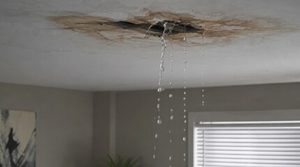
    Water damage can be one of the most destructive issues a property owner can face. Whether caused by flooding, burst pipes, roof leaks, or appliance malfunctions, water intrusion can rapidly compromise the structure, safety, and comfort of any building. The damage can go beyond visible stains and puddles—moisture often seeps into walls, floors, and insulation, creating hidden problems that worsen over time. This is why professional Water Damage Restoration Salt Lake City services are crucial for minimizing damage, restoring affected areas, and preventing long-term complications like mold growth and structural deterioration.

    water damage restoration

    Water damage restoration is a specialized process that involves much more than drying wet surfaces. It includes comprehensive assessment, water extraction, drying, dehumidification, sanitation, and repair. Professionals in this field use advanced tools and proven techniques to return properties to their pre-damage condition as quickly and efficiently as possible. Their expertise ensures not only the recovery of a property’s appearance but also the restoration of its safety and integrity.

    Understanding the Scope of Water Damage

    The severity of water damage can vary greatly depending on the source and duration of exposure. Clean water from a leaking pipe may cause minimal harm if addressed promptly, but contaminated water from floods or sewage backups poses significant health risks and requires immediate professional intervention. Even small leaks can escalate if ignored, leading to mold growth, rotting materials, and compromised air quality.

    Water damage typically falls into three main categories based on contamination levels:

    1. Category 1 – Clean Water Damage: Originates from a clean source, such as a broken supply line or rainwater. It poses minimal health risks if handled quickly.
    2. Category 2 – Grey Water Damage: Contains some contaminants and may come from washing machines, dishwashers, or sump pump failures. Direct exposure can cause discomfort or illness.
    3. Category 3 – Black Water Damage: Involves highly contaminated water from floods, sewage, or storm surges. This type of damage requires specialized cleanup to ensure safety and prevent disease.

    Understanding these classifications helps restoration professionals determine the appropriate cleaning methods, disinfectants, and protective measures.

    The Importance of Prompt Water Damage Restoration

    Acting quickly after water damage occurs is essential. The longer water remains in contact with building materials, the more extensive and costly the damage becomes. Within minutes, water can spread throughout the property, saturating carpets, drywall, and furniture. Within hours, stains, swelling, and odors start to develop. If left untreated for days, mold growth begins, and structural components like wood and insulation start to degrade.

    Professional water damage restoration services address these issues immediately, using industrial-grade equipment to extract water and thoroughly dry affected areas. Rapid response minimizes damage, reduces repair costs, and prevents secondary problems that can affect both the building and its occupants’ health.

    The Water Damage Restoration Process

    A comprehensive water damage restoration process typically follows several key stages. Each step is designed to ensure thorough recovery and prevent further damage.

    1. Inspection and Assessment: The restoration team begins by inspecting the affected area to determine the source and extent of the water damage. Using moisture meters and thermal imaging tools, they locate hidden pockets of water and assess which materials can be salvaged.
    2. Water Extraction: High-powered pumps and vacuums remove standing water quickly. This step is critical in preventing further absorption and structural weakening.
    3. Drying and Dehumidification: Once the water is removed, professional-grade air movers and dehumidifiers are used to eliminate remaining moisture from walls, flooring, and furnishings. This step may take several days, depending on the extent of the damage.
    4. Cleaning and Sanitizing: All affected surfaces are cleaned and disinfected to eliminate bacteria, odors, and contaminants. Carpets, upholstery, and personal belongings may be restored through specialized cleaning techniques.
    5. Restoration and Repairs: The final stage involves repairing or replacing damaged materials such as drywall, flooring, and insulation. In severe cases, major reconstruction may be necessary to restore the property fully.

    This structured process ensures that every aspect of the damage is addressed thoroughly, providing peace of mind to property owners who face the overwhelming aftermath of water intrusion.

    Advanced Equipment and Techniques Used in Restoration

    Modern water damage restoration relies heavily on advanced technology. Professionals use state-of-the-art moisture detection systems to identify hidden water behind walls or under flooring. Industrial-grade dehumidifiers and air movers accelerate drying, reducing the risk of mold formation. HEPA air scrubbers are employed to purify the air and capture microscopic contaminants, creating a safer indoor environment.

    Some restoration companies also use infrared cameras, which help visualize moisture accumulation that may not be visible to the naked eye. These tools allow for precise and efficient drying, reducing the likelihood of future damage. Additionally, anti-microbial treatments are often applied to prevent mold growth and eliminate harmful bacteria that can thrive in damp environments.

    The Role of Mold Prevention in Water Damage Restoration

    Mold is one of the most serious consequences of untreated water damage. Within 24 to 48 hours of water exposure, mold spores can begin to grow on organic materials such as wood, drywall, and fabric. Once established, mold can spread rapidly and release spores into the air, posing health risks like allergies, respiratory issues, and infections.

    Water damage restoration professionals prioritize mold prevention by ensuring all affected areas are completely dried and treated with anti-microbial solutions. They also monitor humidity levels to ensure the environment remains unfavorable for mold growth. In cases where mold has already developed, specialized remediation techniques are used to remove it safely without contaminating other areas.

    Benefits of Hiring Professional Water Damage Restoration Services

    Attempting to handle water damage without professional help can lead to incomplete drying, hidden moisture pockets, and recurring problems. Hiring a certified water damage restoration service provides several key benefits:

    1. Quick Response and 24/7 Availability: Many restoration companies offer emergency services around the clock, ensuring immediate action when water damage occurs.
    2. Expert Assessment and Restoration: Professionals can accurately evaluate the extent of damage and implement the most effective restoration strategies.
    3. Advanced Equipment: Industrial-grade drying and cleaning equipment ensures thorough moisture removal and sanitization.
    4. Mold Prevention: Experts identify areas at risk of mold growth and apply preventive treatments.
    5. Insurance Assistance: Restoration specialists can help document damage for insurance claims and communicate directly with adjusters to simplify the process.

    By entrusting the task to professionals, property owners can save time, reduce stress, and ensure their homes or businesses are restored safely and efficiently.

    Common Causes of Water Damage

    Understanding what causes water damage can help property owners take preventive measures. Some of the most common sources include:

    1. Burst or Leaking Pipes: Aging or damaged plumbing systems are among the leading causes of indoor water damage.
    2. Roof Leaks: Damaged shingles, clogged gutters, or flashing issues can allow water to infiltrate ceilings and walls.
    3. Appliance Failures: Malfunctioning washing machines, dishwashers, and water heaters can release large volumes of water unexpectedly.
    4. Foundation Cracks: Poor drainage or structural issues can cause water to seep into basements or crawl spaces.
    5. Severe Weather and Flooding: Heavy rain, hurricanes, and flash floods can cause extensive damage that requires immediate professional intervention.

    Identifying these potential risks and performing routine maintenance can go a long way in preventing future water damage.

    Residential vs. Commercial Water Damage Restoration

    While the core principles of water damage restoration are the same for homes and businesses, the approach often differs. Residential restoration typically focuses on salvaging personal belongings, maintaining livable conditions, and protecting the home’s value. Commercial restoration, on the other hand, emphasizes minimizing downtime, protecting equipment, and ensuring business continuity.

    Professional restoration contractors understand the unique requirements of both sectors and tailor their services accordingly. For commercial clients, quick restoration is crucial to prevent revenue loss and protect the company’s reputation. For homeowners, the priority is safety, comfort, and preserving sentimental possessions.

    Preventive Measures to Reduce Water Damage Risks

    While some causes of water damage are unavoidable, many can be prevented with regular maintenance and preparedness. Here are several preventive tips that can significantly reduce risk:

    1. Inspect Plumbing Regularly: Check for leaks, corrosion, or weak joints in pipes and connections.
    2. Maintain Roof and Gutters: Clean gutters frequently and repair damaged roofing to prevent water intrusion.
    3. Install a Sump Pump: For properties in flood-prone areas, sump pumps can help remove excess water from basements.
    4. Seal Cracks and Gaps: Use waterproof sealants around windows, foundations, and door frames to block water entry.
    5. Monitor Appliances: Replace old hoses and fittings on washing machines, dishwashers, and refrigerators.

    Proactive maintenance is the most effective way to prevent costly water damage and ensure long-term property protection.

    The Long-Term Value of Professional Restoration

    Beyond immediate recovery, professional water damage restoration helps protect property value and occupant health. Moisture left untreated can weaken building materials, cause unpleasant odors, and foster bacterial growth. By ensuring complete drying and restoration, professionals prevent these long-term issues and maintain structural integrity.

    Restoration experts also help property owners identify vulnerabilities and suggest improvements such as better drainage systems, upgraded insulation, or leak detection devices. These preventive enhancements add value and reduce the risk of future incidents.

    Water damage can strike at any time, causing significant disruption and expense if not handled properly. Professional water damage restoration services provide the expertise, technology, and efficiency needed to mitigate loss and restore properties safely. From emergency water extraction and drying to mold prevention and full structural repairs, restoration specialists manage every detail with precision and care.

    By acting quickly and partnering with experienced professionals, property owners can minimize damage, protect their investments, and ensure their living or working spaces remain safe and healthy. Water may be one of nature’s most powerful forces, but with the right restoration strategy, even the most severe water damage can be reversed—restoring peace of mind along with the property itself.

  • Clear Reflections: The Modern Art of Window Cleaning

    Crystal clarity changes everything. Windows once seen as simple barriers now reflect more than the view outside. They mirror the care, detail, and discipline of those maintaining them. The evolution of window cleaning has become a quiet yet striking expression of modern precision.

    Window Cleaning

    The demand for spotless glass surfaces has grown with architectural progress. Expansive windows and glass facades dominate the skyline, demanding more than traditional cleaning methods. Professionals are now blending science and artistry to achieve lasting brilliance. Clean glass is no longer just about looks—it’s about maintaining structural integrity and comfort. Visit https://www.certifiedsoftwash.ca/ to learn more.

    Today’s window cleaning focuses on environmental harmony. Harsh chemicals that once left streaks and residues are gradually being replaced. The shift toward biodegradable solutions ensures that clarity comes without consequence. This thoughtful innovation protects not only glass but also the surrounding ecosystems.

    Modern cleaners also recognize the balance between efficiency and care. Instead of relying solely on old tools, they explore advanced techniques that reduce waste. Purified water systems, microfiber materials, and minimal-contact applications define the new standard. The result is an almost invisible finish that captures natural light effortlessly.

    The conversation around safety has also transformed this profession. Traditional ladders and ropes are no longer the only options. Technology now enables cleaners to operate from secure distances through extendable systems or automation. The focus on well-being has turned a once risky task into a carefully managed operation.

    Beyond surface cleaning, there’s an understanding of how glass reacts over time. Dust, pollutants, and mineral deposits can permanently mark windows. This awareness has led to preventive strategies rather than reactive maintenance. By controlling buildup early, window longevity significantly increases.

    What used to be seasonal upkeep is now continuous care. Property owners realize that clear windows influence mood, energy, and even productivity. Spaces filled with unfiltered daylight feel more open and inspiring. Clean windows have evolved into silent contributors to well-being.

    The sensory experience of clarity is subtle yet powerful. There’s something almost therapeutic about light passing freely through polished glass. The absence of streaks and haze becomes a quiet luxury. It transforms how people perceive both the interior and exterior worlds.

    Innovation has entered even the smallest details of this craft. Equipment design focuses on ergonomics and water conservation. Lightweight tools reduce strain, allowing for longer, more precise work. This fine-tuned approach turns every wipe into an act of balance between control and grace.

    In modern architecture, glass surfaces define identity. Buildings with clean reflective windows symbolize progress and professionalism. They communicate precision without words. The effort to maintain them becomes part of the image they project.

    But window cleaning is not limited to grand structures. Homes, studios, and small spaces share the same need for clarity. Each glass panel tells a different story, from morning dew to evening reflections. Maintaining them connects people with their surroundings in a quiet dialogue.

    There’s also an environmental psychology behind it. Natural light through spotless windows reduces the need for artificial lighting. This saves energy and supports sustainable living practices. A clean window, though small, plays a role in the broader ecological rhythm.

    Skilled cleaners are now more like artisans than laborers. They understand textures, weather patterns, and material sensitivities. Their hands follow a rhythm that blends experience with instinct. Each motion is calculated to leave behind transparency and light.

    This craftsmanship has inspired new trends in building maintenance. Companies are investing in continuous glass care programs. These programs emphasize frequent light cleanings over heavy occasional ones. It’s a philosophy that values consistency over intensity.

    Even digital tools have found a place in this evolving field. Drones, scheduling systems, and real-time progress tracking enhance precision. These technologies make large projects manageable without compromising safety. The integration of data and design keeps everything streamlined.

    Window cleaning now extends into design discussions. Architects collaborate with maintenance experts to create glass systems that resist staining and scratching. It’s a partnership that merges aesthetics with practicality. The cleaner’s insight influences how future buildings will shine.

    What once was considered a menial chore has gained artistic respect. The idea that cleanliness can express identity has reshaped perception. Each pane of glass becomes part of a visual narrative of order and attention. The reflection it offers is not only physical but also philosophical.

    There’s also a growing connection between mental clarity and visual clarity. Psychologists suggest that clean, bright spaces enhance concentration. The act of window cleaning itself can even be meditative. It invites mindfulness through repetitive motion and immediate results.

    At the community level, cleanliness influences urban harmony. Neighborhoods with well-maintained buildings often feel safer and more vibrant. Clean windows catch light differently, giving a sense of collective care. This subtle brilliance contributes to the shared beauty of everyday environments.

    The sustainability movement keeps reshaping the tools of the trade. Water-fed poles reduce consumption, and non-toxic sprays protect air quality. The profession adapts quickly to meet global environmental standards. Each innovation leads to smarter, cleaner methods.

    Window cleaning also responds to climate variations. In humid regions, cleaners deal with mold and condensation. In dry zones, dust and static charge pose challenges. Every location shapes its own strategy, reinforcing the adaptability of this work.

    The economics of clarity are equally compelling. Businesses invest in regular cleaning because clean glass sells trust. Transparency in physical form becomes a metaphor for transparency in operation. Clients subconsciously associate brightness with integrity.

    Residential customers, too, value more than simple cleanliness. They see it as part of a larger lifestyle choice centered on wellness and peace. The interplay of sunlight and space brings emotional comfort. Clean windows become an understated form of self-care.

    In modern interiors, light is considered a living design element. Its movement across rooms depends heavily on glass purity. The play of shadows, colors, and reflections enriches visual depth. Clean windows ensure that these subtle aesthetics remain uninterrupted.

    There’s also a technical depth that continues to expand. Professionals study the chemical reactions between cleaning agents and glass coatings. This scientific attention prevents corrosion and preserves gloss. Every formulation and technique is tested for balance and safety.

    As glass innovation grows, so does the challenge of maintaining it. Smart glass, tinted films, and layered panels require customized care. The cleaner must adapt to each surface’s sensitivity. Precision becomes essential to protect both function and form.

    Training programs are becoming more advanced to meet this demand. Workers learn about surface science, safety standards, and environmental protocols. Certifications ensure credibility and accountability. The profession is evolving into a respected technical discipline.

    The artistry of reflection continues to inspire design enthusiasts. A single clean window can change how a structure interacts with its surroundings. It captures skies, greenery, and city lights in perfect symmetry. The beauty lies in the seamless merging of the interior with the exterior world.

    Homeowners are also discovering creative ways to engage with this craft. Some explore natural cleaning agents like plant-based extracts or filtered water. Others experiment with anti-static coatings that reduce dust attraction. Innovation often begins with curiosity and patience.

    Even cultural attitudes toward maintenance are shifting. Cleanliness is being redefined as a sign of respect—for oneself, one’s property, and one’s environment. Windows become symbols of transparency in both literal and ethical senses. This quiet message resonates across spaces and generations.

    The future of window cleaning will likely merge robotics and craftsmanship. Automated systems may handle height and risk, while humans refine detail and artistry. Collaboration between man and machine will bring efficiency without losing soul. The glass of tomorrow will gleam with both technology and touch.

    Climate-conscious building design will also influence future practices. Self-cleaning coatings and nanotechnology are gaining traction. These innovations minimize human labor and resource use while preserving brilliance. It’s a glimpse of a future where clarity maintains itself.

    Yet despite automation, the human touch remains irreplaceable. The patience, rhythm, and awareness of a skilled cleaner are unmatched. Machines can polish, but they can’t appreciate the light they reveal. That quiet connection is what transforms cleaning into art.

    Window cleaning, at its essence, teaches perspective. It reminds us that even the most transparent surfaces need care. It reflects our desire to see clearly, both outward and inward. Through it, we learn that clarity is not given—it is maintained.

    The art of window cleaning is no longer about removing dirt alone. It’s about restoring connection, enhancing light, and honoring design. Each sweep of the cloth becomes a gesture of preservation and pride. Through this craft, the world outside and the world within both become clearer.

    As cities and homes continue to embrace transparency, the role of clean windows becomes even more profound. They remind us that perfection can exist in silence and reflection. What was once routine has become ritual. The glass between us and the sky now tells a brighter story.

  • Revitalize Your Space with the Power of Pressure Washing

    There’s something truly satisfying about seeing a dull, grimy surface transform into a clean, bright one. Pressure washing has become one of the most effective methods for rejuvenating the look of homes, outdoor areas, and commercial spaces. By using high-powered water spray to blast away dirt, mold, and other debris, pressure washing can dramatically improve the appearance and longevity of surfaces. Whether you’re a homeowner looking to refresh your property or a business owner wanting to maintain a clean exterior, pressure washing can be a game-changer.

    This article explores what pressure washing is, its benefits, and tips for making the most of this powerful cleaning method.

    pressure washing

    What Pressure Washing Is and How It Works

    Pressure washing involves using a specialized machine to spray water at high pressure onto surfaces. The force of the water effectively loosens and removes built-up grime, stains, and contaminants. Depending on the surface and the type of dirt being removed, pressure washing can be adjusted to different levels of force or combined with detergents for even deeper cleaning.

    This process is especially useful for exterior surfaces that accumulate dirt and weathering over time, such as driveways, sidewalks, patios, fences, decks, and siding. It’s a fast and efficient way to clean large areas compared to scrubbing by hand.

    The Benefits of Pressure Washing

    Pressure washing offers far more than just cosmetic improvements. Here are some of the key advantages:

    • Boosts Curb Appeal: A clean exterior instantly enhances the look of your property. Whether you’re planning to sell your home or simply want to enjoy a refreshed space, pressure washing can make it look almost new.
    • Prevents Damage: Mold, mildew, and algae can break down surfaces over time. By removing these contaminants, pressure washing can help prevent costly repairs.
    • Improves Safety: Slippery moss or algae on walkways can pose a hazard. Pressure washing helps eliminate these risks, creating a safer environment.
    • Prepares Surfaces for Projects: If you’re planning to paint, stain, or seal a surface, pressure washing ensures a clean, smooth base that improves adhesion and results.

    These benefits make pressure washing an essential maintenance step rather than just an occasional cleanup.

    Common Areas That Benefit from Pressure Washing

    Pressure washing can be used in many areas of a property. Some of the most common include:

    • Driveways and Walkways: These areas take the brunt of foot and vehicle traffic, collecting dirt, oil stains, and tire marks.
    • Decks and Patios: Outdoor living spaces can quickly accumulate grime, especially in shaded or damp areas.
    • Fences: Wooden or vinyl fences can look weathered over time; a pressure wash brings back their original appearance.
    • Exterior Walls and Siding: This keeps your home looking fresh and also removes contaminants that could damage materials.
    • Roofs (with caution): Some specialized low-pressure techniques can be used to clean roofs, but this should be done carefully to avoid damage.

    By targeting these areas, pressure washing helps keep your property in top condition year-round.

    Tips for Effective and Safe Pressure Washing

    While pressure washing is highly effective, it must be done properly to avoid damaging surfaces. Here are some tips to ensure safe and efficient cleaning:

    • Know the Right Pressure Setting: Different surfaces can handle different levels of pressure. Concrete can withstand high pressure, but softer materials like wood or siding require a gentler touch.
    • Use the Correct Nozzle: Pressure washers come with different nozzles that control the spray pattern and intensity. A wide-angle nozzle is ideal for large areas, while a narrow-angle nozzle targets stubborn spots.
    • Test a Small Area First: Before pressure washing an entire surface, test a small hidden section to make sure it won’t cause damage.
    • Move the Wand Consistently: Holding the spray in one spot for too long can gouge or etch the surface. Keep the wand moving in steady, overlapping strokes.
    • Consider Cleaning Solutions: For tough stains like oil or mold, using the appropriate cleaning solution can improve results without needing excessive pressure.

    Following these steps ensures you get the most out of pressure washing without harming your property.

    Environmental Considerations

    Pressure washing uses water, which can carry debris and cleaning agents into drains or soil. To minimize the environmental impact:

    • Use biodegradable detergents when possible.
    • Avoid letting runoff enter storm drains or waterways.
    • Collect and dispose of waste responsibly, especially if washing areas with oils or chemicals.

    This not only protects the environment but also ensures compliance with local regulations.

    Professional vs. DIY Pressure Washing

    While many homeowners opt to rent or buy a pressure washer for DIY cleaning, hiring a professional can sometimes be a better choice. Professionals bring experience, specialized equipment, and knowledge of the correct techniques for different surfaces. They can also handle larger projects more efficiently.

    On the other hand, DIY pressure washing can be cost-effective for small areas if you’re willing to invest time and effort. Just make sure you understand how to use the equipment properly to avoid accidents or damage.

    Safety Precautions to Keep in Mind

    Because pressure washers are powerful machines, safety should be a top priority:

    • Wear protective gear like safety goggles, gloves, and sturdy footwear.
    • Never aim the spray at people, animals, or electrical outlets.
    • Be cautious on ladders or uneven surfaces, as the force of the spray can cause loss of balance.

    By practicing good safety habits, you can enjoy the benefits of pressure washing without unnecessary risks.

    Keeping Surfaces Cleaner for Longer

    After pressure washing, there are steps you can take to keep surfaces cleaner for longer:

    • Apply a sealant to driveways, decks, or patios to protect against future staining.
    • Trim plants and trees around the area to reduce the buildup of organic debris.
    • Sweep and rinse regularly to prevent dirt from accumulating again.

    These small maintenance steps can extend the results of your pressure washing efforts and make your property easier to maintain.

    Pressure washing is a powerful and efficient way to restore the beauty of your property. By blasting away dirt, mold, and grime, it not only improves appearance but also protects surfaces from damage and enhances safety. Whether you choose to do it yourself or hire a professional, pressure washing offers a cost-effective solution to keep your home or business looking fresh and well-maintained.

    With the right techniques, equipment, and care, this cleaning method can transform outdoor spaces, extend the life of your surfaces, and make your environment a cleaner, healthier place to live and work.